Guide for Land Rover Safari
During the next 20-25 minutes, our guide will take you on a journey on the African savanna to show you the animals that lives here.
LION
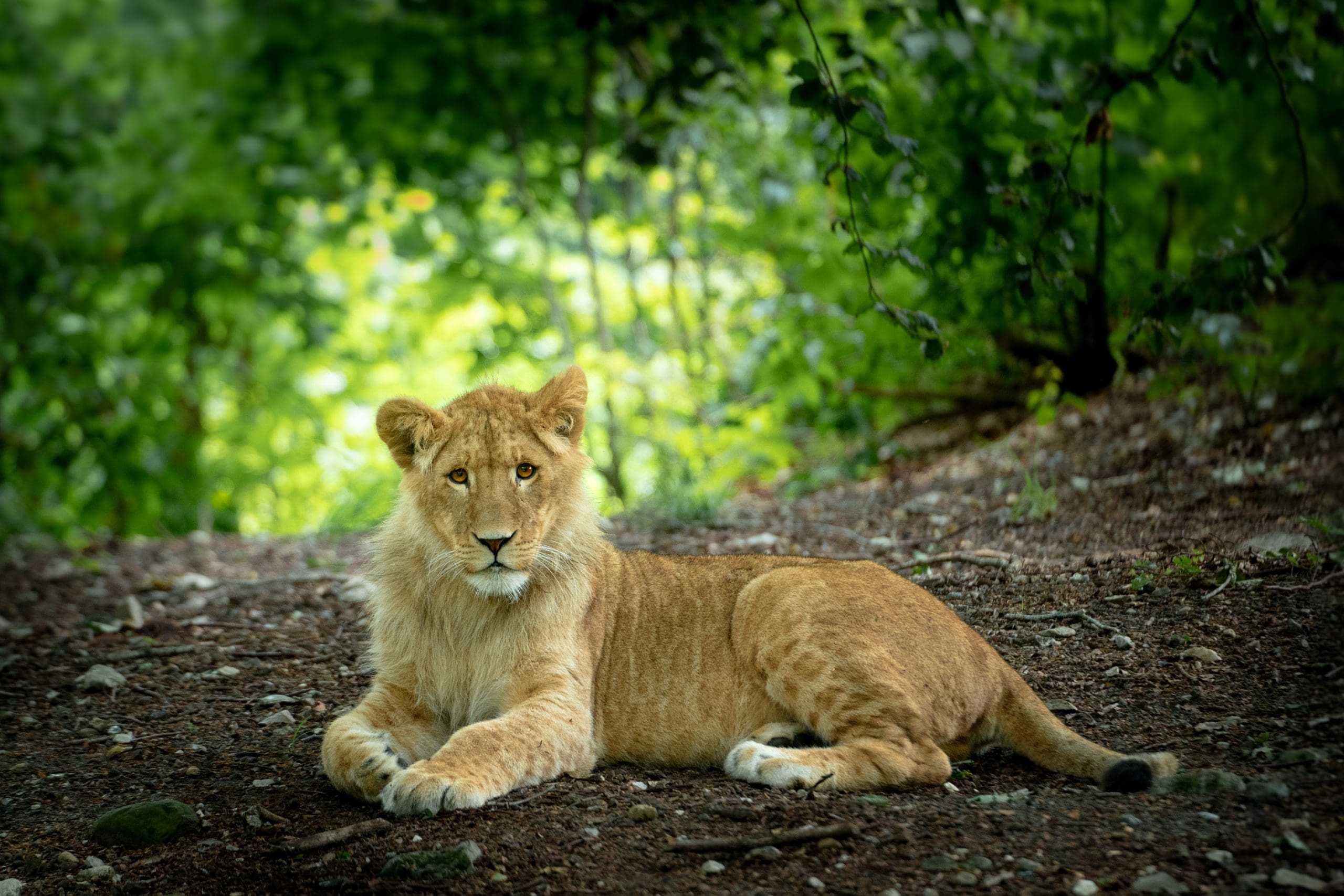
Unlike other cats, lions do not lead a solitary life, but they form prides. The males can easily be recognized by their brown mane. Roaring lions can be heard at a distance as far away as 5 km. According to the IUCN list (2016), the lion population has been declining by 30 % to 50 % over the last thirty years.
THE GRASS SAVANNA
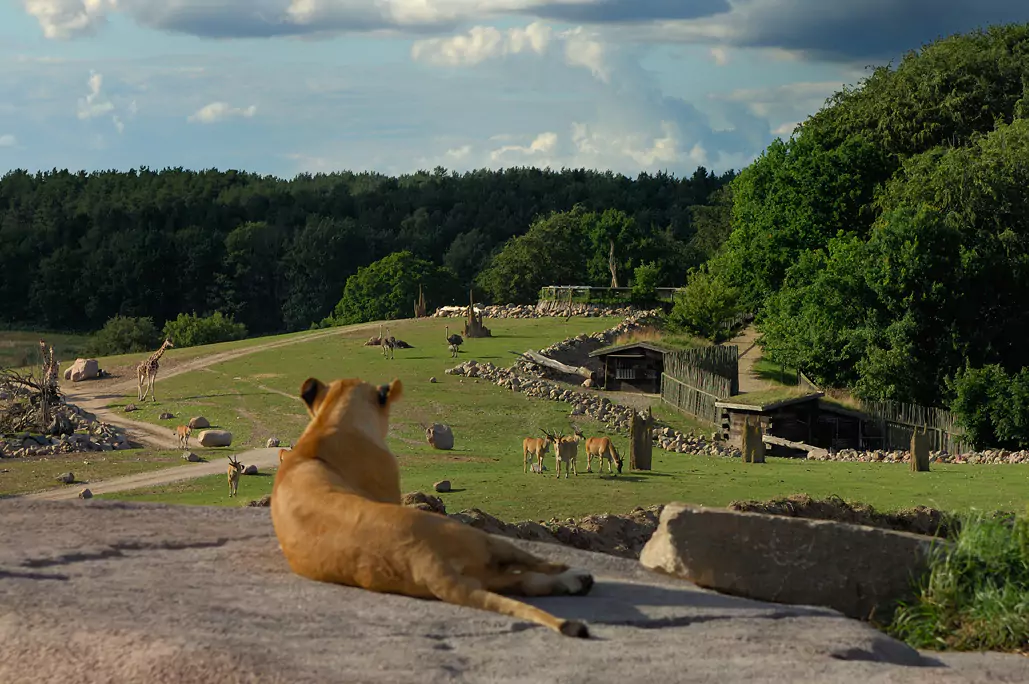
We have now entered the gate to the African grass savanna, which is one of three different types of savanna here at Ree Park Safari.
In the grass savanna

BLUE WILDEBEEST
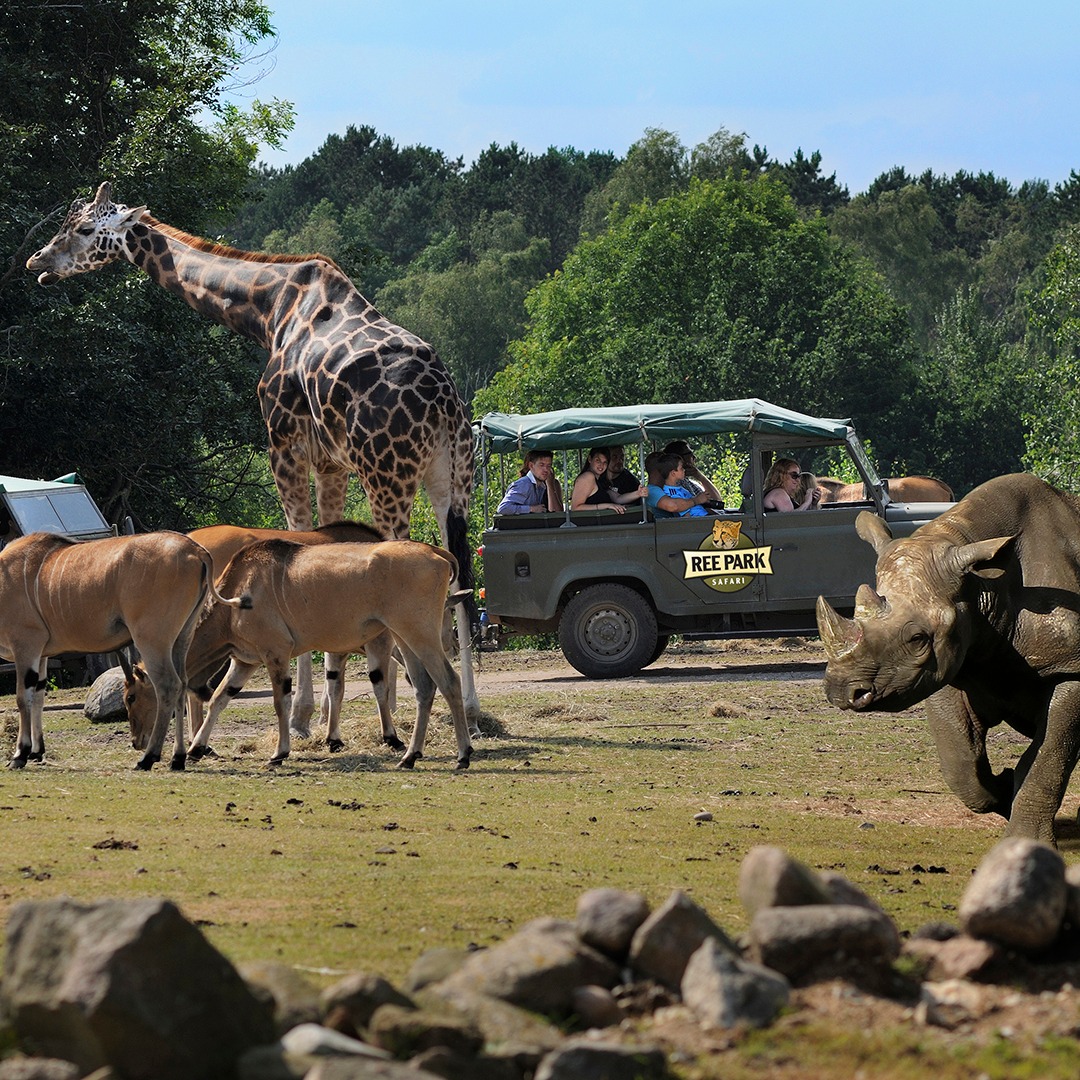
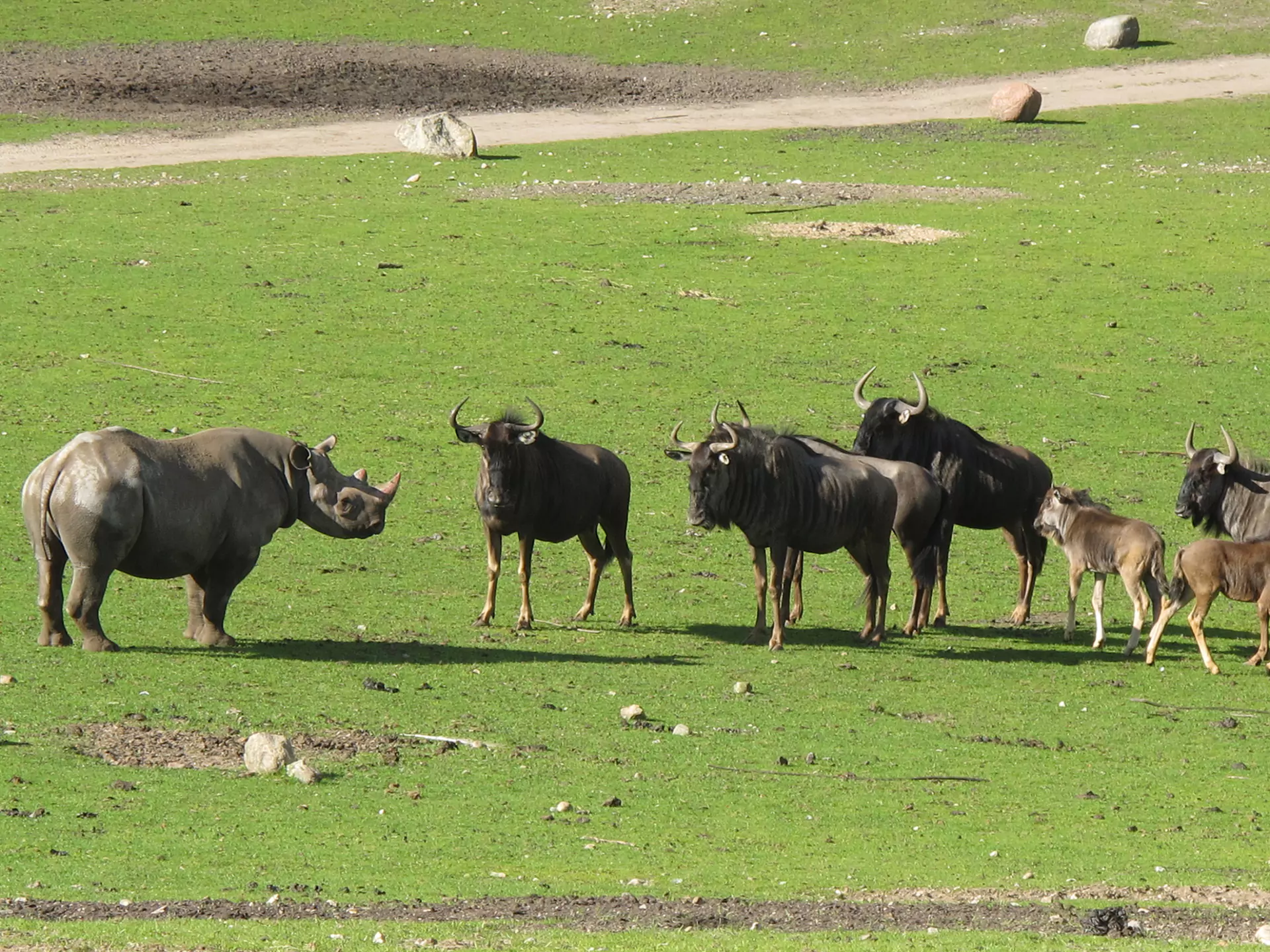
Wildebeests are known to live in great herds with approx 1.5 million individuals. Wildebeests roam the great plains of Africa, always in search of grass and water. The size of the herd is offering the individual wildebeest protection during their migrations since lions, crocodiles and other predators are lurking everywhere. All calves in the herd are born within 1-2 weeks which means, their chances to survive are better.

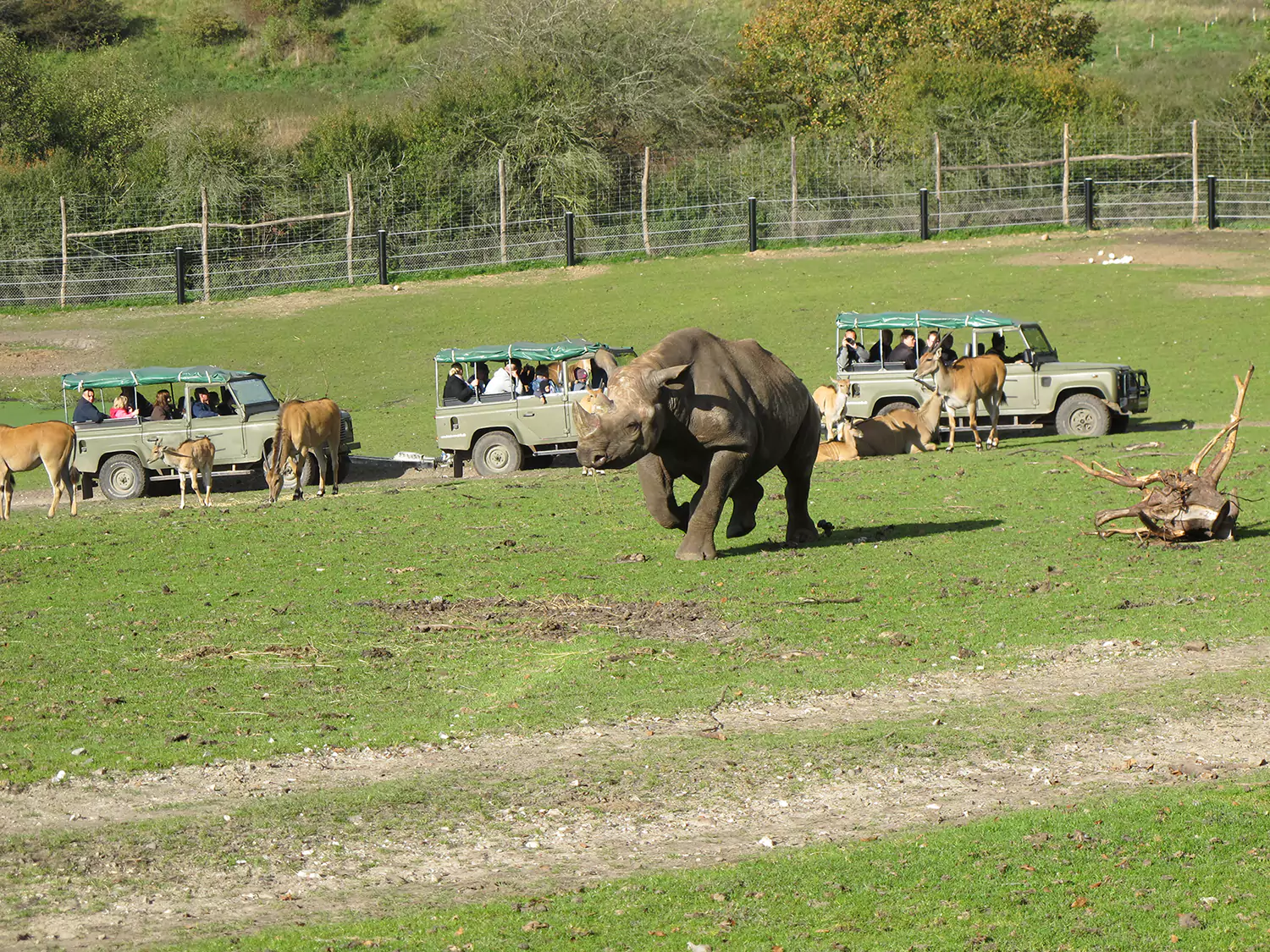
BLACK RHINOCEROS
Black rhinos live a solitary life. The bulls and cows are only seen together for a few days during the mating season. Sometimes more rhinos can be observed together and mostly it is a mother with her offspring. The black rhino has a very pointy, sensitive upper lip which it uses to pick up leaves and branches. They can weigh up to 1,5 tons and reach a top speed of approximately 50 km/h. Rhinos are a critically endangered species because poachers illegally hunt them for their horns.

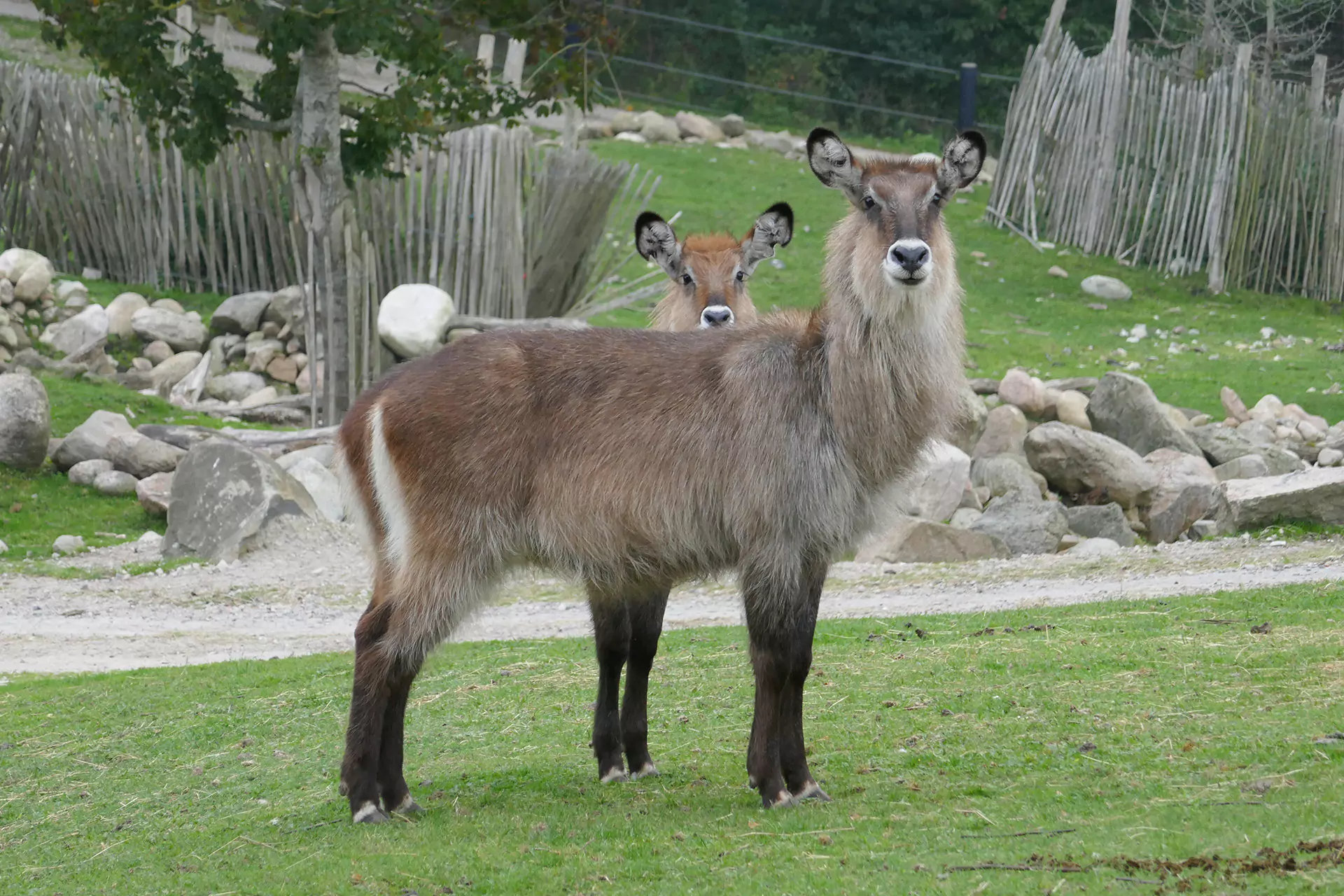
DEFASSA WATERBUCK
The fur of waterbucks is thicker and longer than most other antelopes, which is particularly remarkable in the hot climate of Africa. The species is always found near water, and you will often see them seek shelter in the shallow water which they use as a hiding place from predators. The waterbuck exudes an unpleasant smell which also helps to protect them from predators. Only the males have horns.

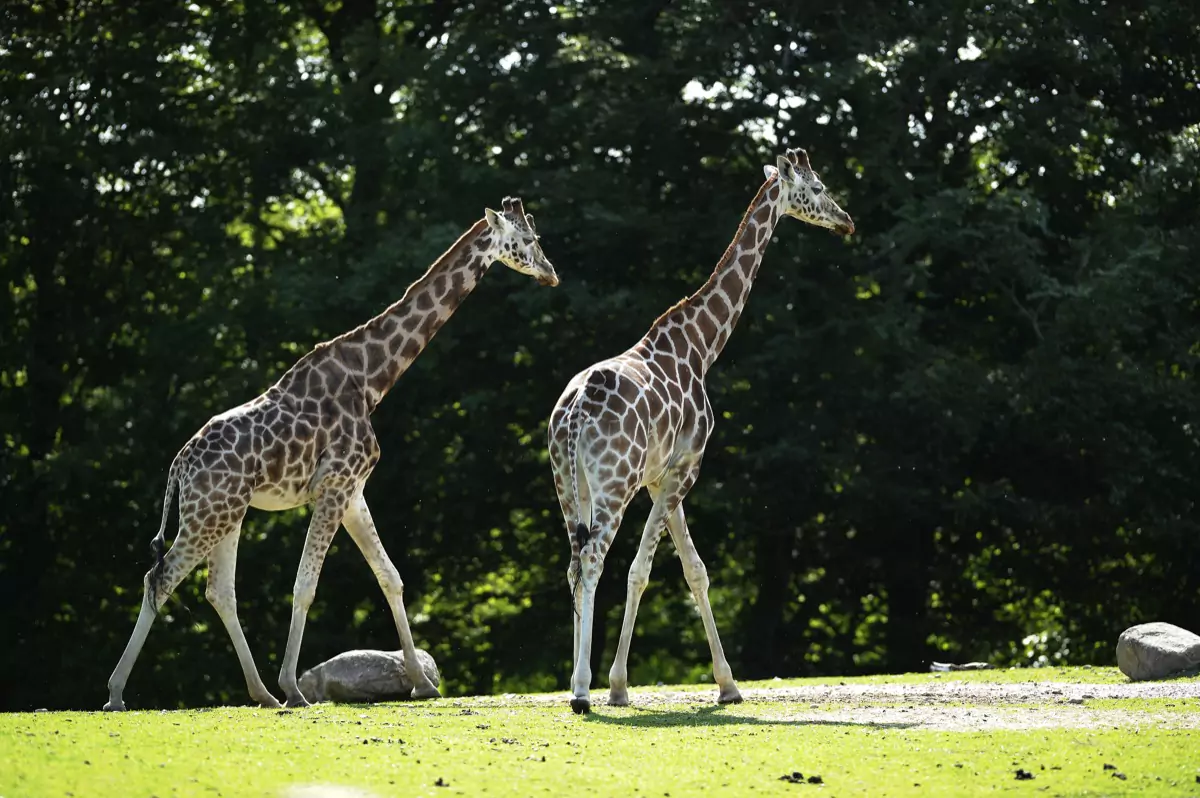
GIRAFFES
The giraffe is the tallest animal in the world. A big male is taller than 5 m and a newborn giraffe is about 1.8 m tall. Giraffes have a very long, blue tongue which is no less than 50 cm long! They use their tongue to pull leaves of branches. The males use their horns for fighting, to gain the attention of females or to defend their territory.
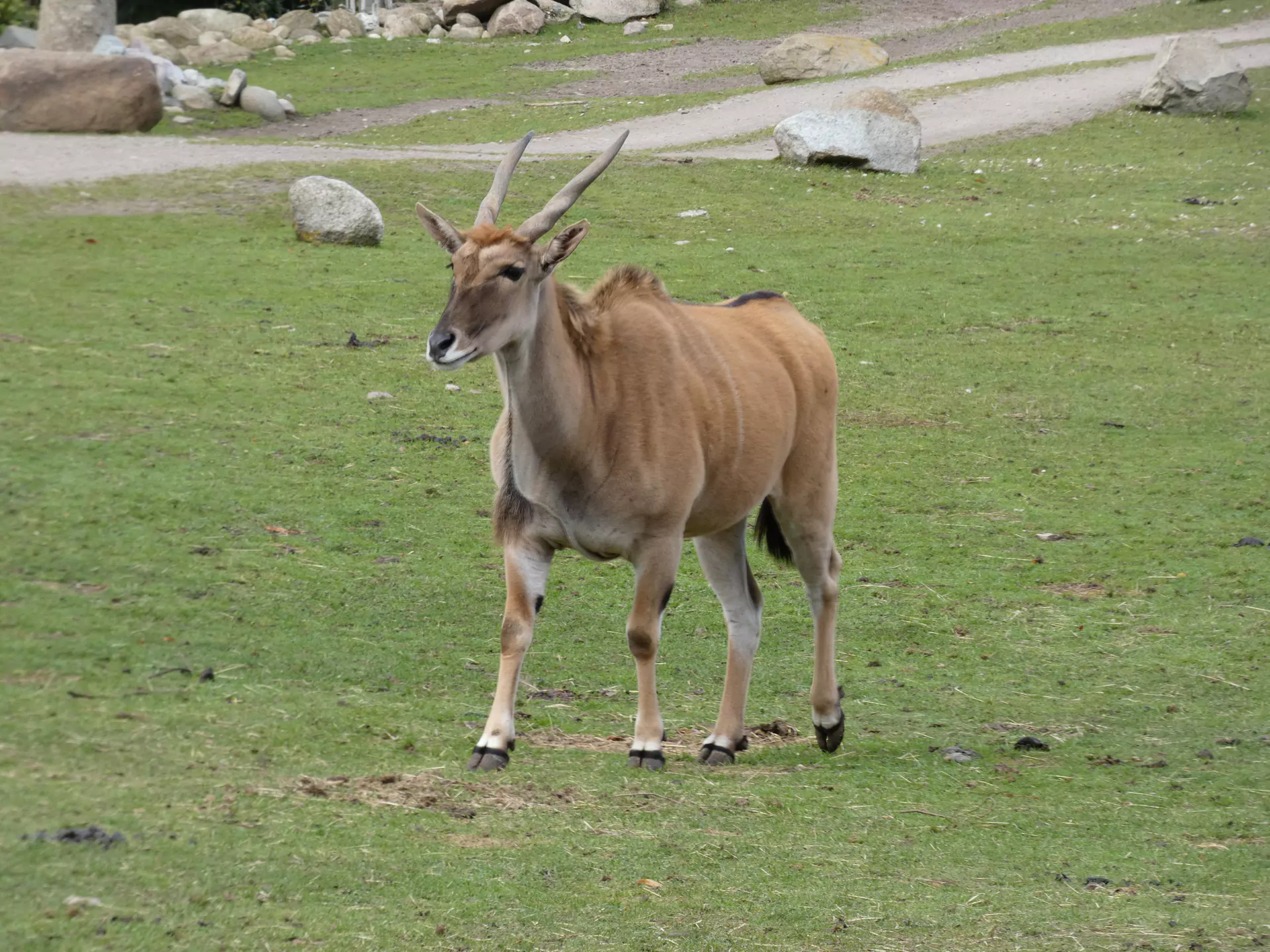
ELAND
The eland is the largest existing antelope. Males can weigh up to 1,000 kg. Males follow a certain ritual to attract female elands – after urinating, they rub the dense fur on their forehead in the urine to send out an attractive smell. Eland antelopes can raise their body temperature to better withstand the heat on the savanna. By raising their body temperature, the antelopes, as a consequence, loose less fluid. Eland antelopes can survive for several days without drinking water.

OSTRICH
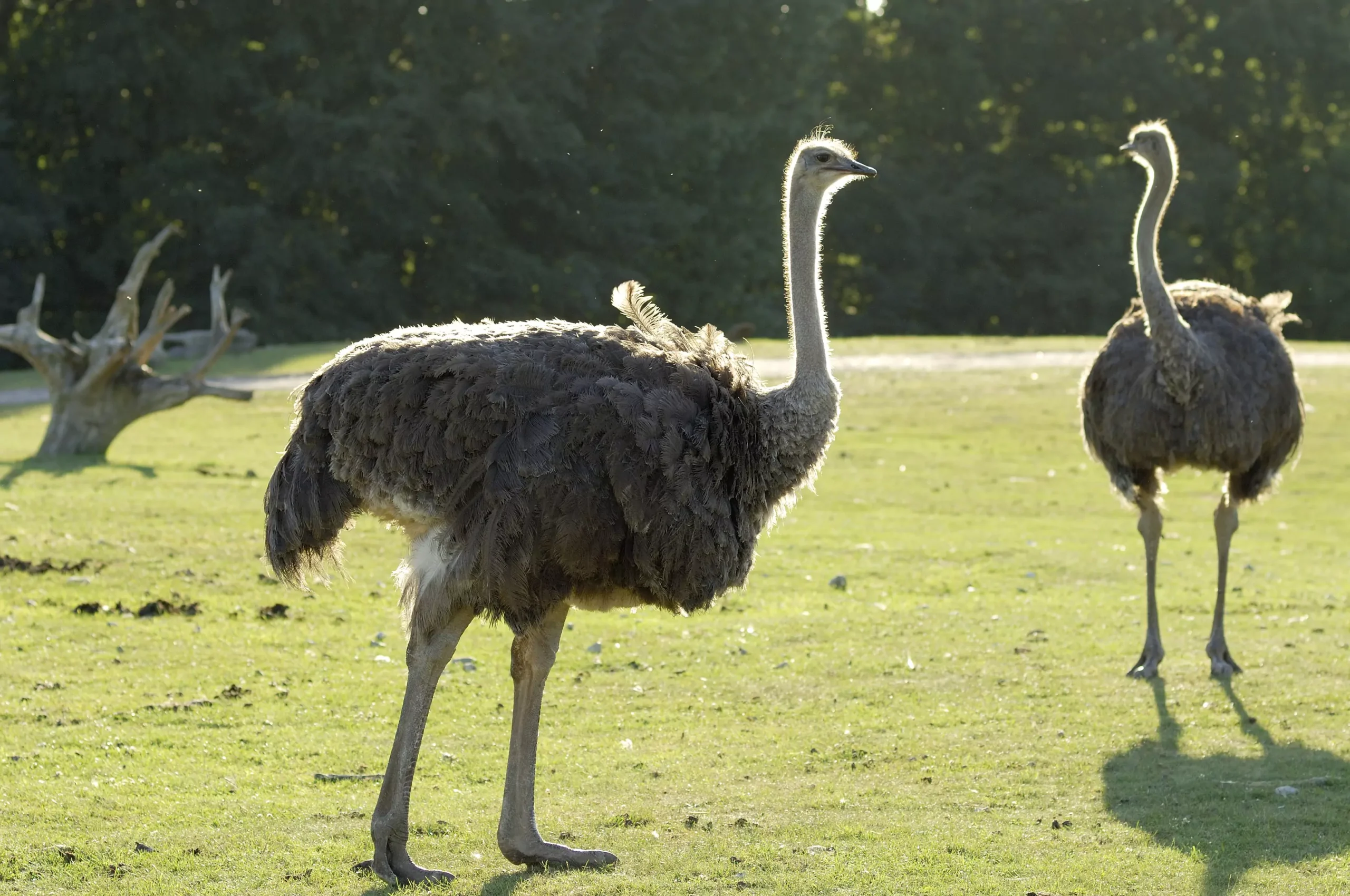
The ostrich is the largest bird in the world. The giant birds cannot fly but ostriches are able to run at a speed of 70 km/h. Females and males can be distinguished by the color of their plumage. Males are black and females are brown/grey – this helps to camouflage the nest at all times since the male broods at night and the females during the day. The brain is about the size of a walnut and their eyes take up more room in their head than the brain – about 50 % of their brain capacity is dedicated to their eyesight.
BONGO ANTILOPE
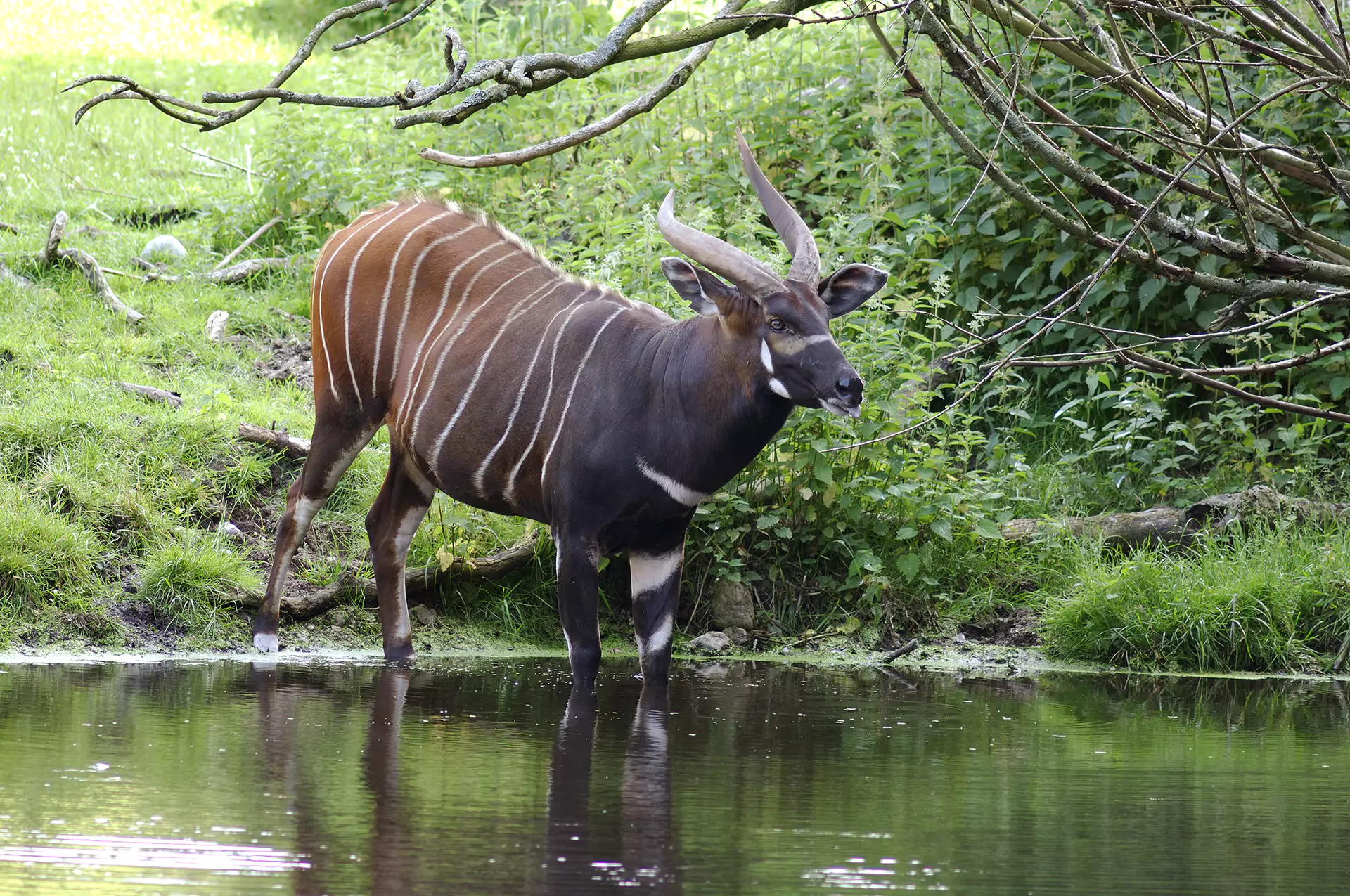
These antelopes are threatened because they are hunted for their fur. In addition, lions have been introduced to the same areas as the bongo antelope. Since bongos cannot run fast, they have almost no chance to escape these great predators. The bongo antelopes have given name to the original bongo drums.
THE WOODED SAVANNA
With a view to the African savanna and the bongo antelope enclosure lies the wooded savanna aviary. Here you can join the African birds and antilope, that freely roams the area.
EAST AFRICAN CROWNED CRANE
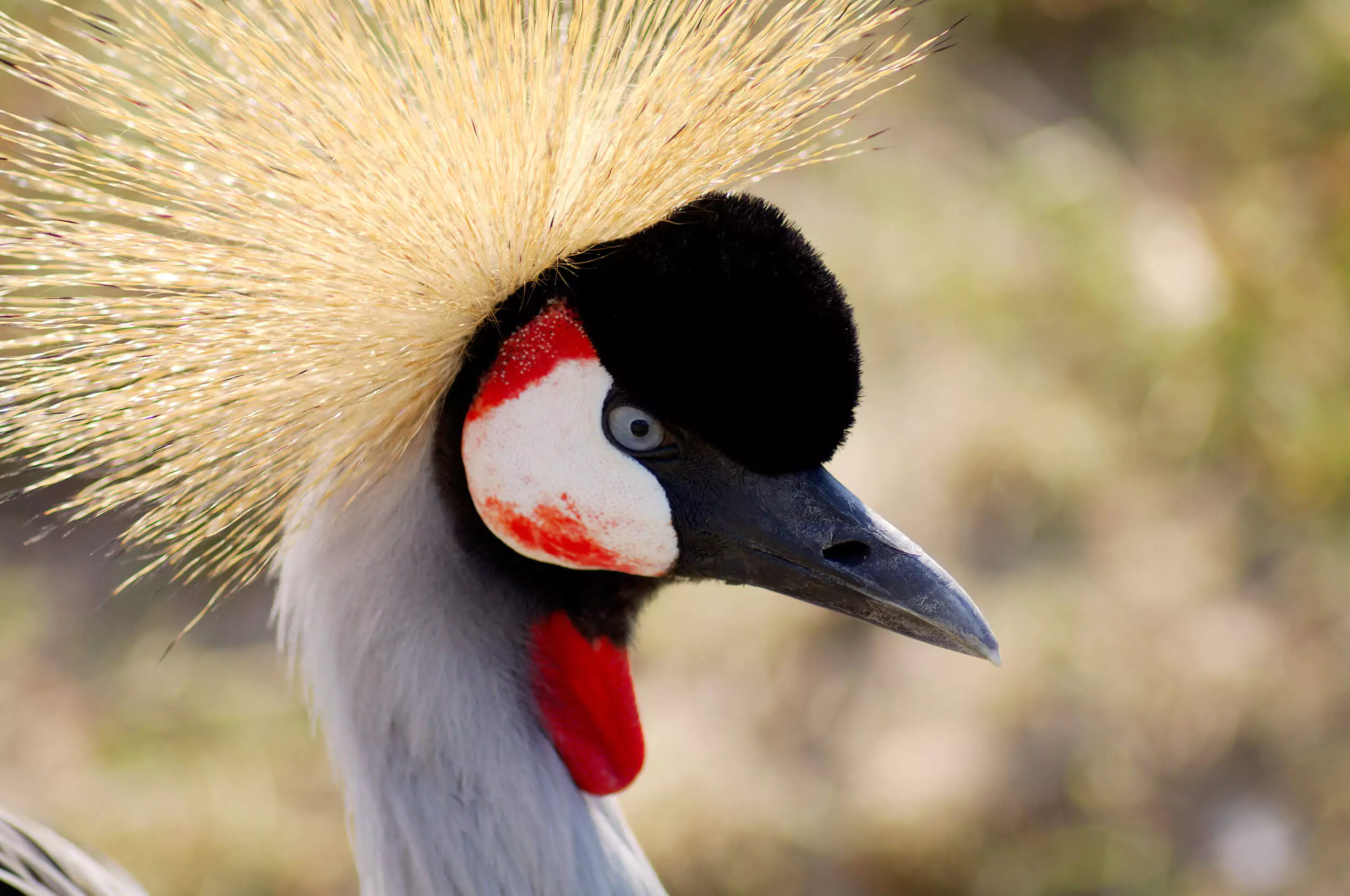
The most well-known characteristic of the crowned crane is not surprisingly the birds crown of yellow feathers. crowned cranes are monogamous and stay with their mate all life. During courtship they perform a ritual dance in which both birds participate.
WHITE-FACED WHISTLING DUCK
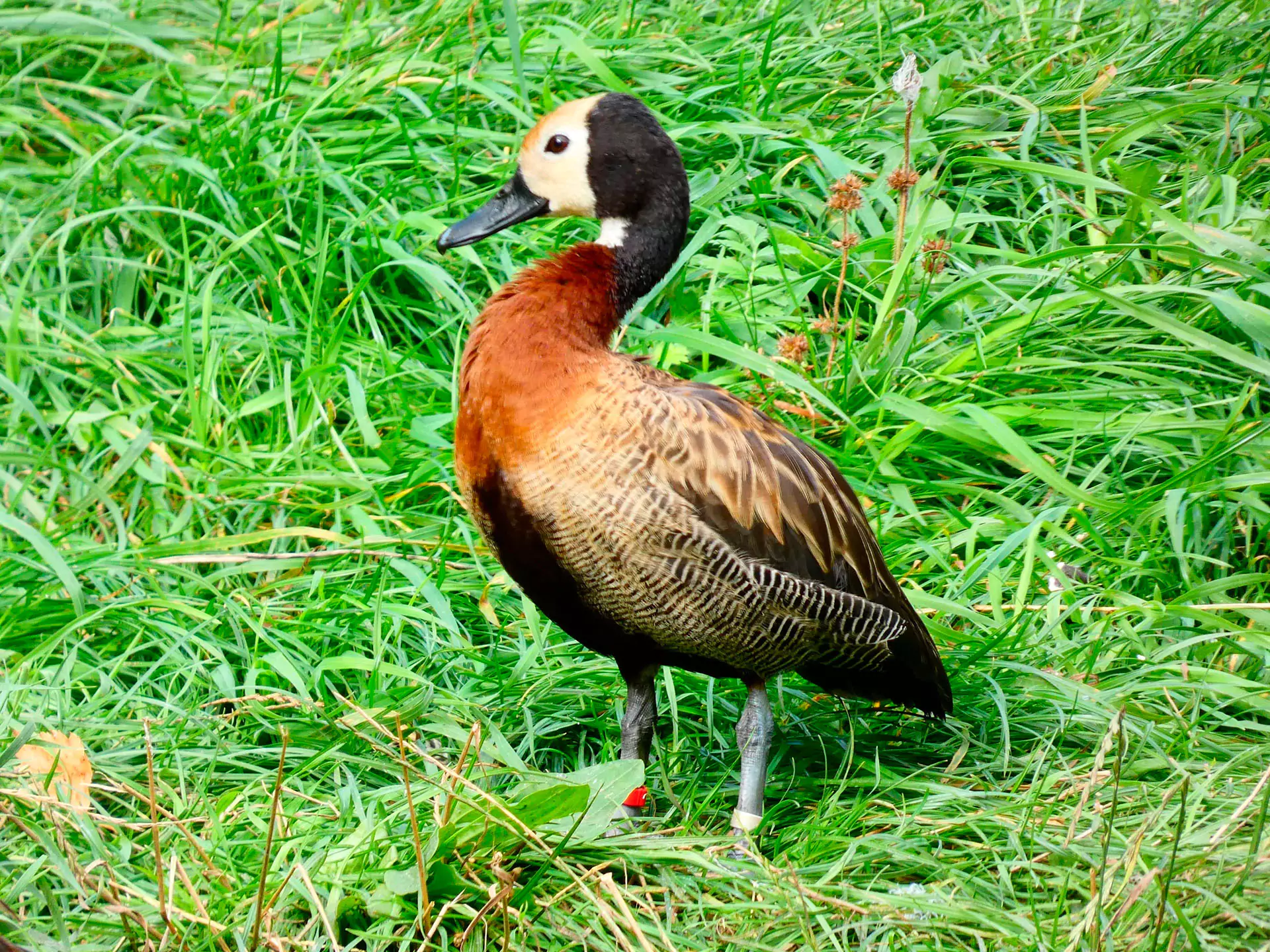
The males are white on the front of the head as well as their neck. The female are rust-colored. As opposed to other species of arboreal duck, the white-faced whistling duck are seldom found in the trees.
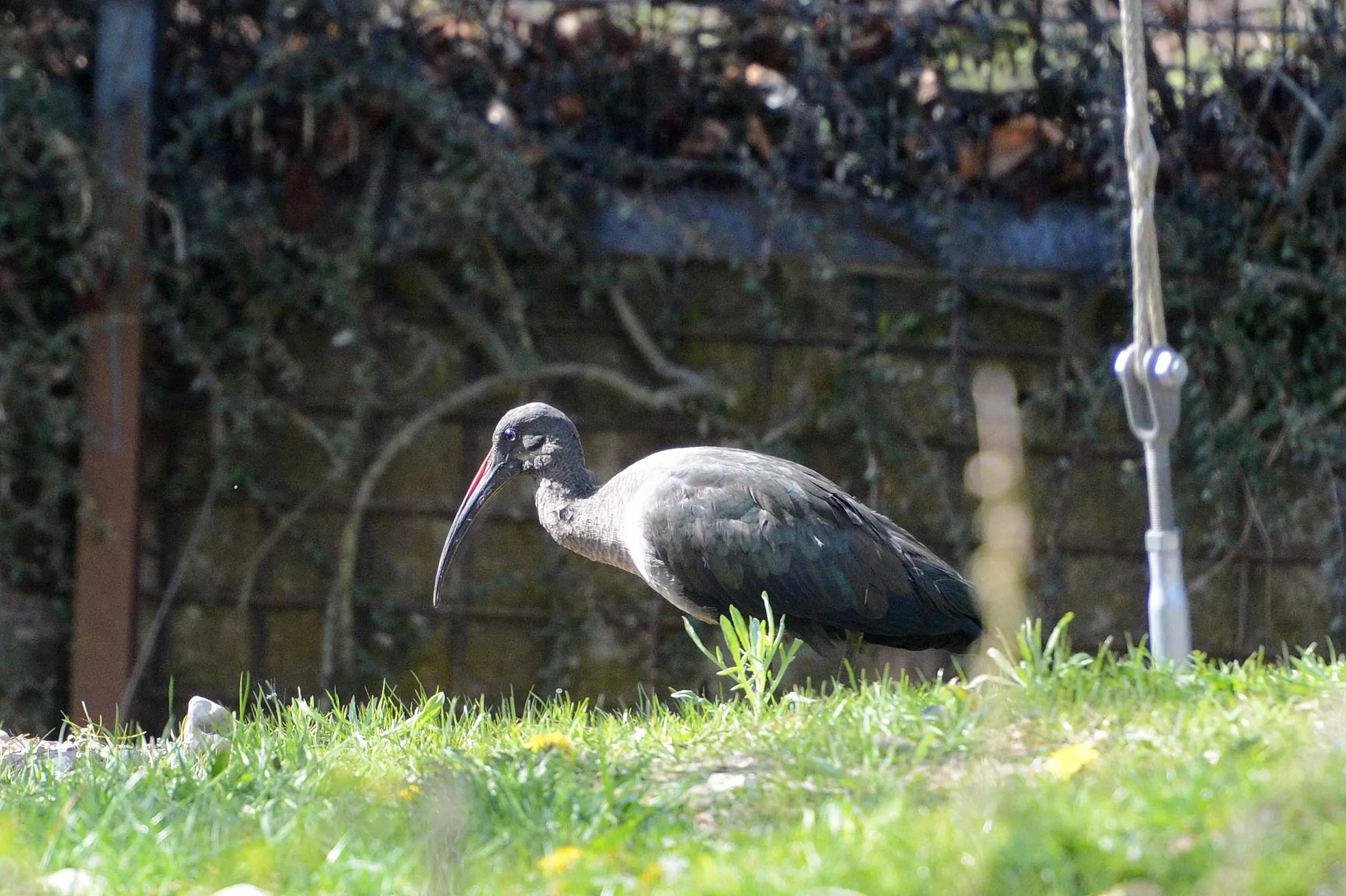
HAGEDASCHIBIS
The hadada-ibis is a large, robust bird. The call from the ibis is one of the most recognizable sounds on the African savannah. The call is loud and it resembles “ha-da-da”, which is where the bird gets its name from.
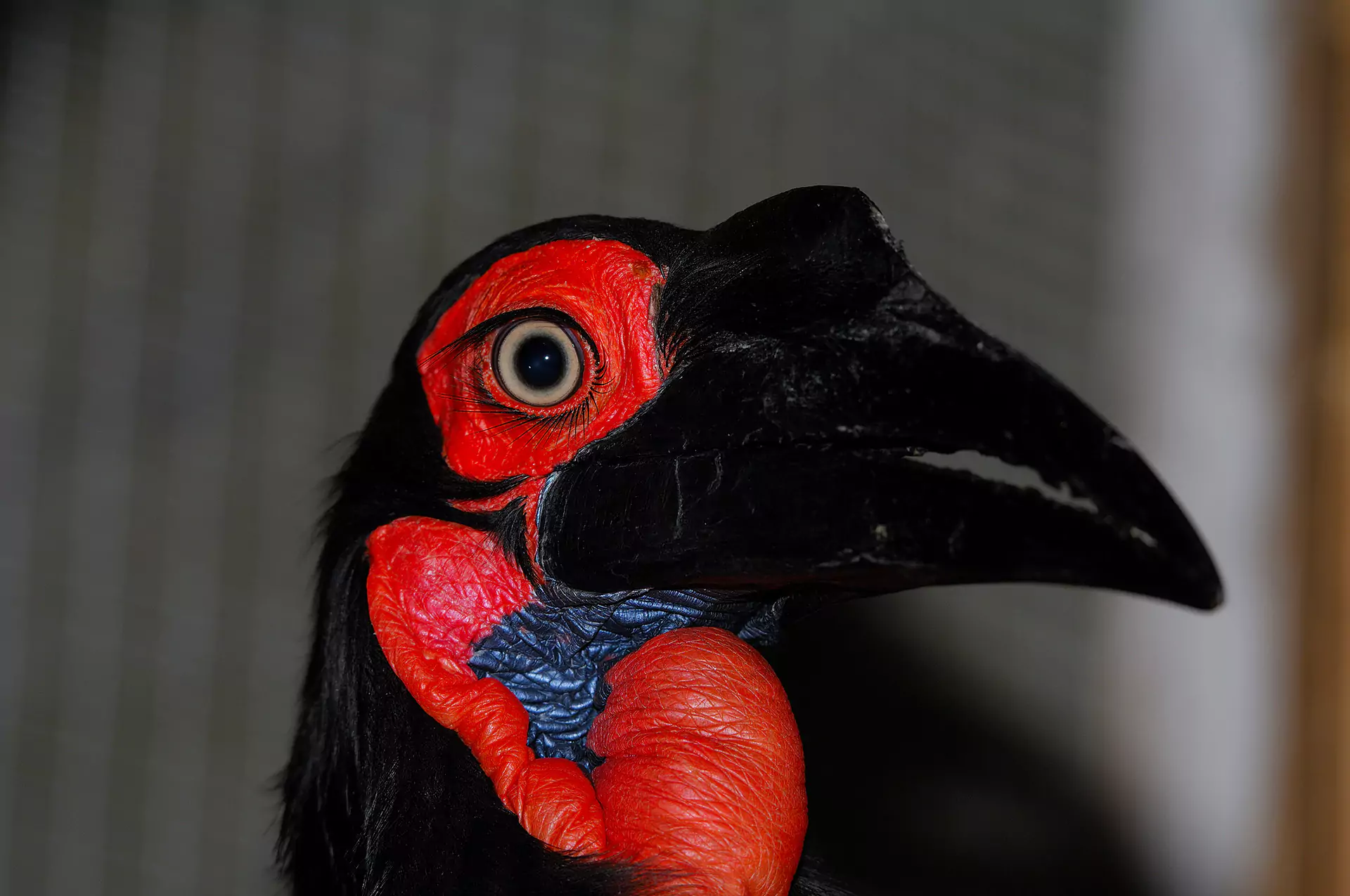
SOUTHERN GROUND HORNBILL
The southern ground hornbill is black with red patches of bare skin on the face and on the throat. A special characteristic for the male hornbill is the inflatable throat pouch.
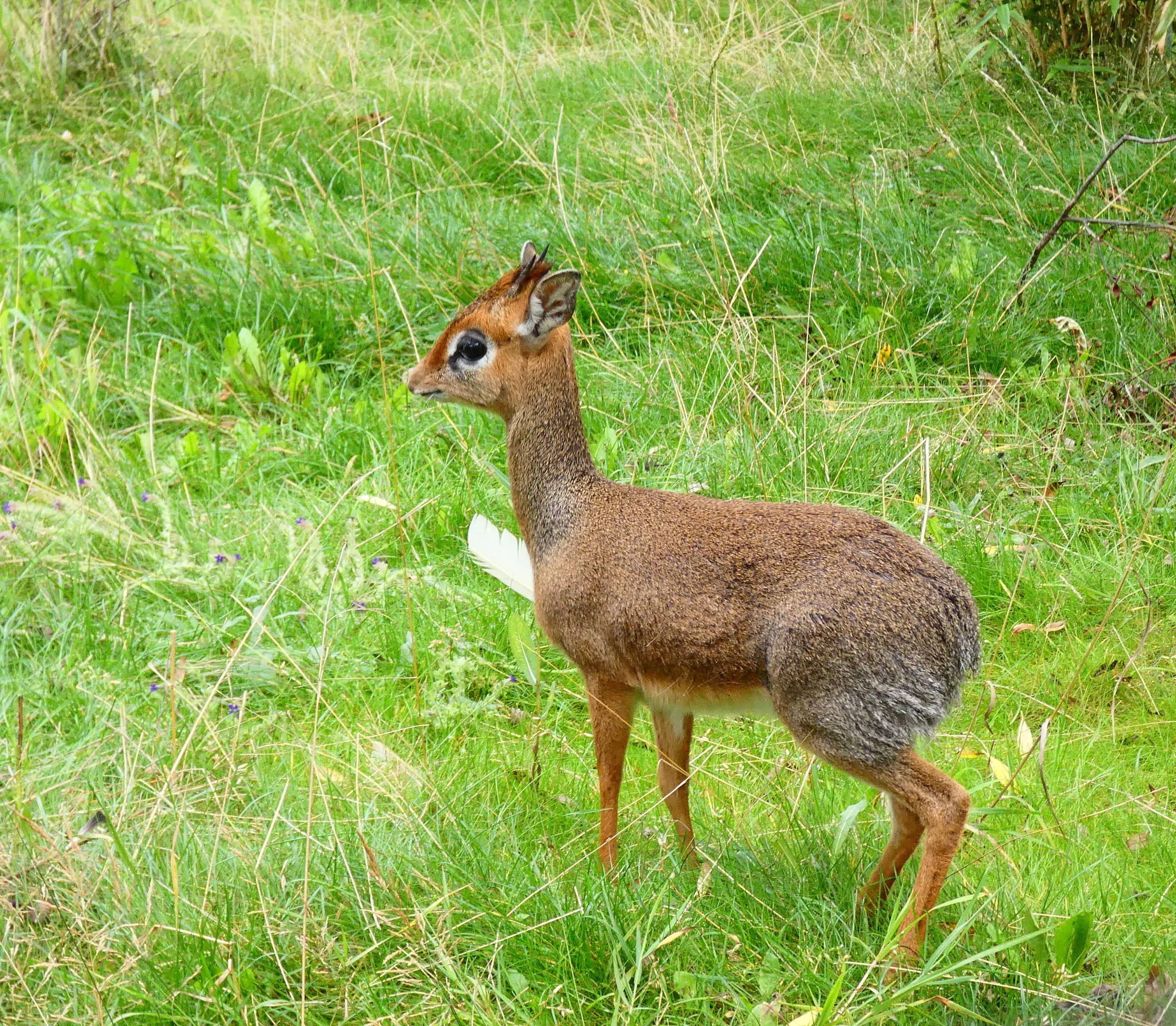
KIRK’S DIK DIK
A small species of antelope. The name derives from the alarm-call of the female, which sounds like “dikdik”. They are monogamous and live in pairs.
THE BUSH SAVANNA
The last savanna we are visiting is the bush savanna where we can find the cheetahs and the African wild dogs.
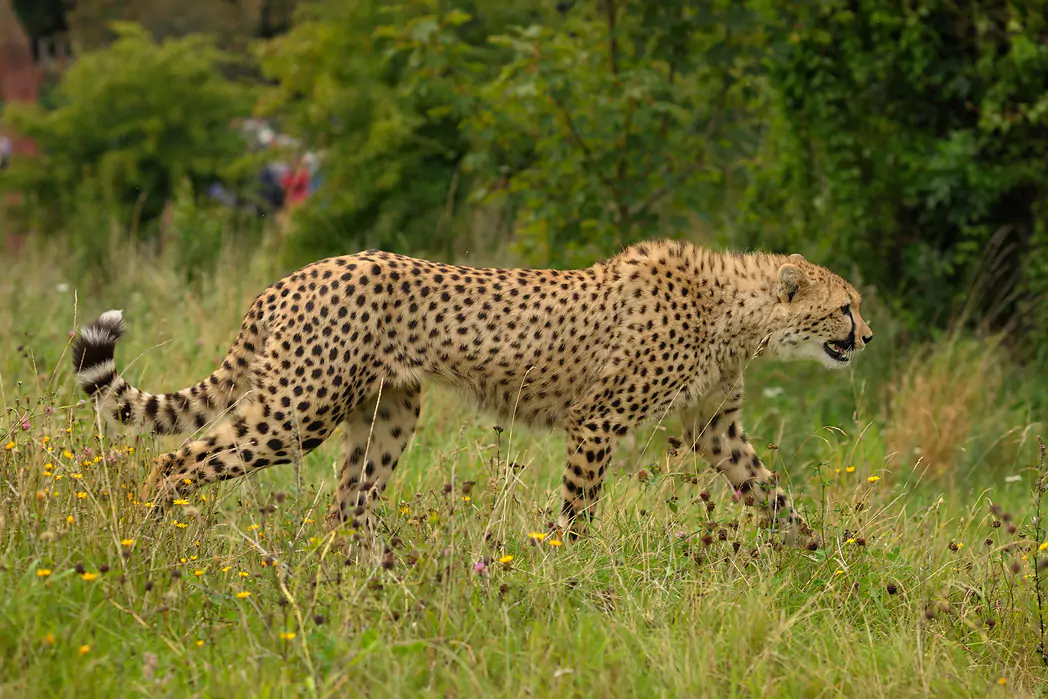
CHEETAHS
On our left side we have the smaller of two cheetah enclosures. Cheetahs are the fastest land-living ammal; they can run up to 114 km/h. Cheetahs are also endange red in their natural habitat. Initially they were hunted for their fur however today, habitat destruction, as well as conflicts with local farmers are the main reason why their numbers are still declining.
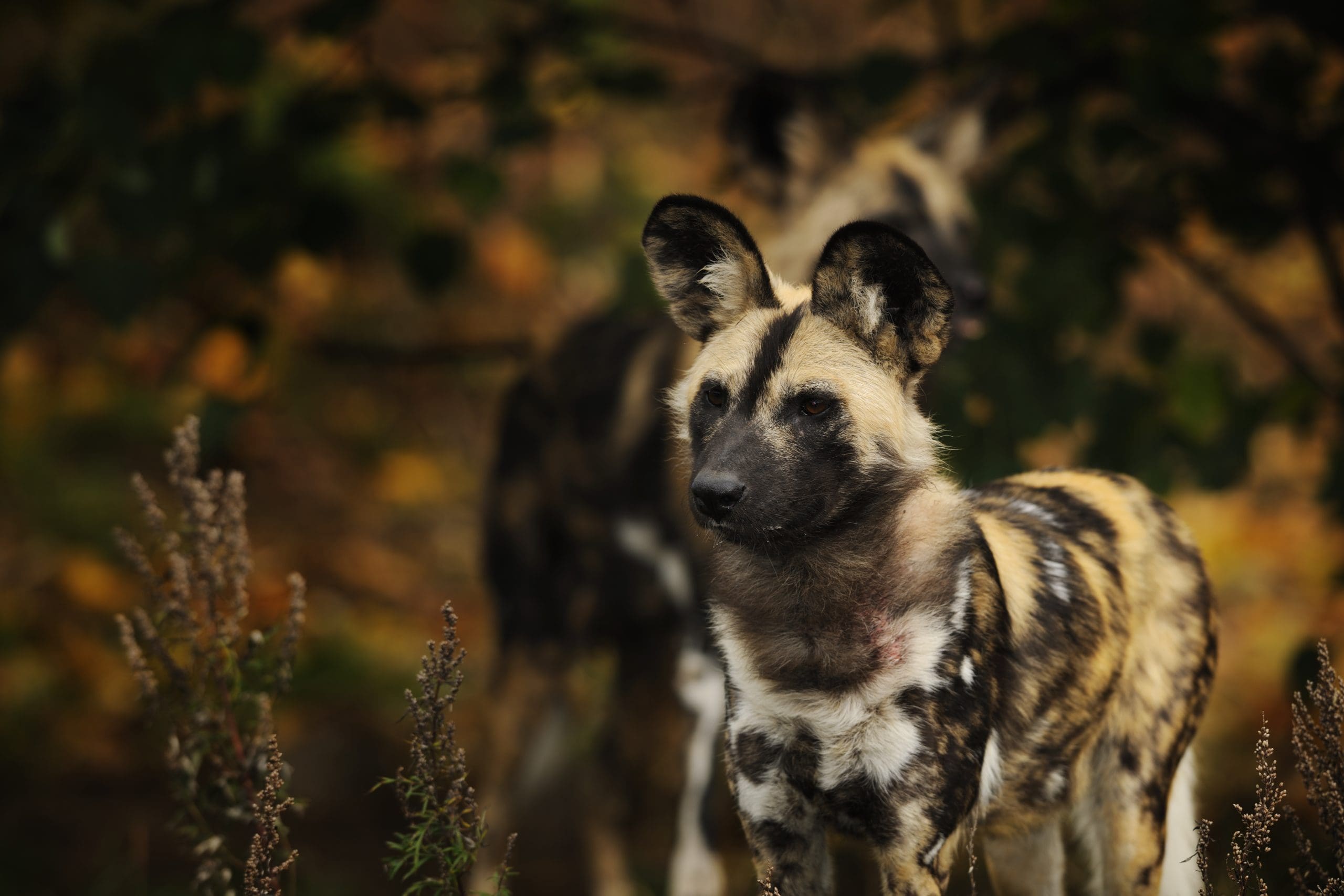
AFRICAN WILD DOGS
Behind the large bush savanna on your left side, we see the enclosure with our African wild dogs. The African wild dog is the most critically endangered carnivore in Africa. The reasons are conflicts with the local farmers and the fact that their habitats are getting smaller and smaller.
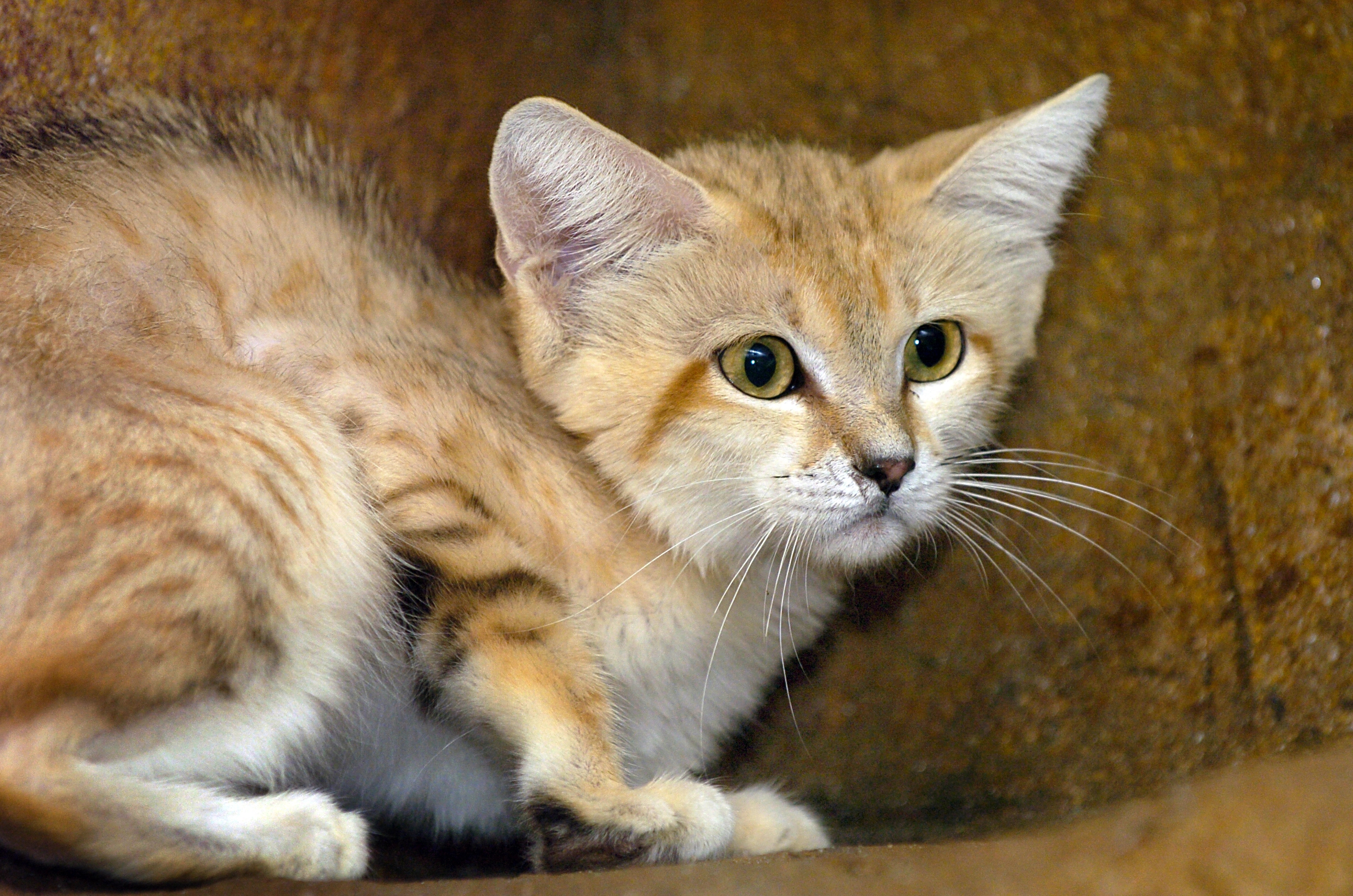
ARABIAN SAND CAT
In the last enclosure on your left side, you can see the Arabian sand cat. These small cats are mostly night active, and therefore it can be difficult to observe them. Sand cats are famous for their very furry paws. The fur is protecting the soles of their paws from the hot desert sand.
Have a nice day
We have come to the end of our Land Rover Safari. If you have any questions, we will be happy to answer them. We wish you a pleasant day at Ree Park Safari!